

May 15th
Beta Launch
July 1st
Public Release
August 20th
API Integration
October 5th
Pro Features
Phase #01
From May 15th
Phase #02
From July 1st
Phase #03
From August 20th
Phase #04
From October 5th
Your paragraph text goes here and it will reveal line by line on scroll.Lorem Ipsum is a 2,000-year-old Latin text derived from Cicero's 45 BC treatise De Finibus Bonorum et Malorum (On the Ends of Good and Evil), specifically sections 1.10.32-33. It was popularized in the 1960s via Letraset sheets and later digitized by Aldus in the 1980s, serving as standard, scrambled, non-sensical filler text for designers and printers. FedTech Magazine FedTech Magazine +4 The Full Story and Origins: Ancient Roots (45 BC): The text originates from Roman philosopher Cicero's "De Finibus," which discusses ethics, pleasure, and pain. The phrases used today are intentionally modified—garbled and scrambled—to make them nonsensical, ensuring that the text does not distract from the layout. "No Pain, No Gain": The original text is a "long-winded way of saying 'No pain, no gain'". The phrase "Lorem ipsum dolor sit amet" is a corruption of "Dolorem ipsum," which translates roughly to "pain itself". The 1500s Adoption: An anonymous, unknown printer in the 16th century took a galley of type and scrambled it to create a type specimen book, establishing the standard passage still used today. 20th Century Popularity: In the 1960s, Letraset popularized the text through rub-down transfer sheets, making it widely available for graphic design in the pre-computer era. Digital Age: In the 1980s, Aldus Corporation included Lorem Ipsum in its desktop publishing software, PageMaker, popularizing it for digital mockups. Meaning: The text translates loosely to, "There is no one who loves pain itself, who seeks after it and wants to have it, simply because it is pain...". FedTech Magazine FedTech Magazine +7 Why Use It? Lorem Ipsum ensures that layouts look natural, allowing designers to focus on typography, spacing, and layout rather than being distracted by the content.
Your paragraph text goes here and it will reveal line by line on scroll.Lorem Ipsum is a 2,000-year-old Latin text derived from Cicero's 45 BC treatise De Finibus Bonorum et Malorum (On the Ends of Good and Evil), specifically sections 1.10.32-33. It was popularized in the 1960s via Letraset sheets and later digitized by Aldus in the 1980s, serving as standard, scrambled, non-sensical filler text for designers and printers. FedTech Magazine FedTech Magazine +4 The Full Story and Origins: Ancient Roots (45 BC): The text originates from Roman philosopher Cicero's "De Finibus," which discusses ethics, pleasure, and pain. The phrases used today are intentionally modified—garbled and scrambled—to make them nonsensical, ensuring that the text does not distract from the layout. "No Pain, No Gain": The original text is a "long-winded way of saying 'No pain, no gain'". The phrase "Lorem ipsum dolor sit amet" is a corruption of "Dolorem ipsum," which translates roughly to "pain itself". The 1500s Adoption: An anonymous, unknown printer in the 16th century took a galley of type and scrambled it to create a type specimen book, establishing the standard passage still used today. 20th Century Popularity: In the 1960s, Letraset popularized the text through rub-down transfer sheets, making it widely available for graphic design in the pre-computer era. Digital Age: In the 1980s, Aldus Corporation included Lorem Ipsum in its desktop publishing software, PageMaker, popularizing it for digital mockups. Meaning: The text translates loosely to, "There is no one who loves pain itself, who seeks after it and wants to have it, simply because it is pain...". FedTech Magazine FedTech Magazine +7 Why Use It? Lorem Ipsum ensures that layouts look natural, allowing designers to focus on typography, spacing, and layout rather than being distracted by the content.
Your paragraph text goes here and it will reveal line by line on scroll.Lorem Ipsum is a 2,000-year-old Latin text derived from Cicero's 45 BC treatise De Finibus Bonorum et Malorum (On the Ends of Good and Evil), specifically sections 1.10.32-33. It was popularized in the 1960s via Letraset sheets and later digitized by Aldus in the 1980s, serving as standard, scrambled, non-sensical filler text for designers and printers. FedTech Magazine FedTech Magazine +4 The Full Story and Origins: Ancient Roots (45 BC): The text originates from Roman philosopher Cicero's "De Finibus," which discusses ethics, pleasure, and pain. The phrases used today are intentionally modified—garbled and scrambled—to make them nonsensical, ensuring that the text does not distract from the layout. "No Pain, No Gain": The original text is a "long-winded way of saying 'No pain, no gain'". The phrase "Lorem ipsum dolor sit amet" is a corruption of "Dolorem ipsum," which translates roughly to "pain itself". The 1500s Adoption: An anonymous, unknown printer in the 16th century took a galley of type and scrambled it to create a type specimen book, establishing the standard passage still used today. 20th Century Popularity: In the 1960s, Letraset popularized the text through rub-down transfer sheets, making it widely available for graphic design in the pre-computer era. Digital Age: In the 1980s, Aldus Corporation included Lorem Ipsum in its desktop publishing software, PageMaker, popularizing it for digital mockups. Meaning: The text translates loosely to, "There is no one who loves pain itself, who seeks after it and wants to have it, simply because it is pain...". FedTech Magazine FedTech Magazine +7 Why Use It? Lorem Ipsum ensures that layouts look natural, allowing designers to focus on typography, spacing, and layout rather than being distracted by the content.
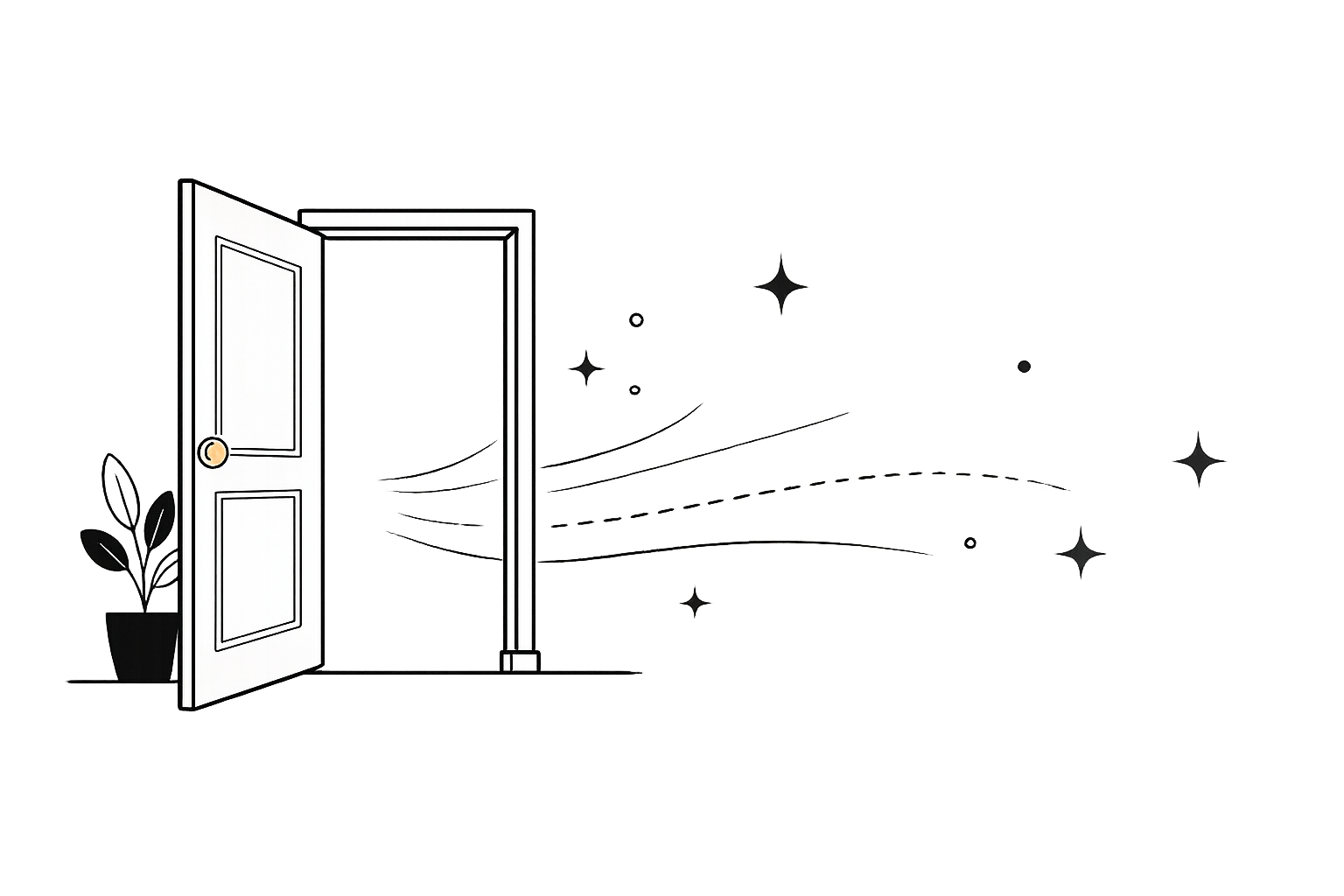
We begin by creating a spotless environment, ensuring every space is fresh, sanitized, and ready.
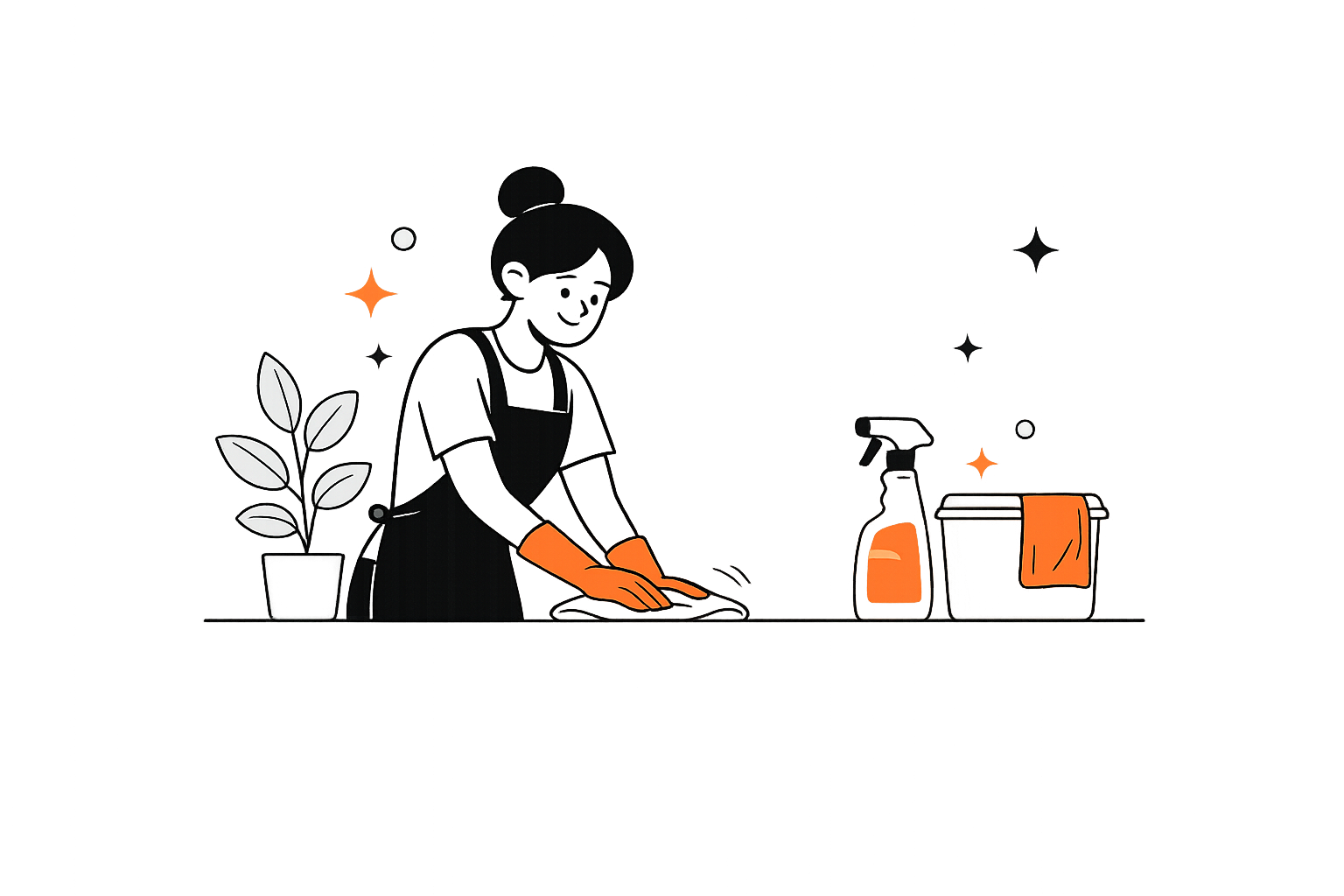
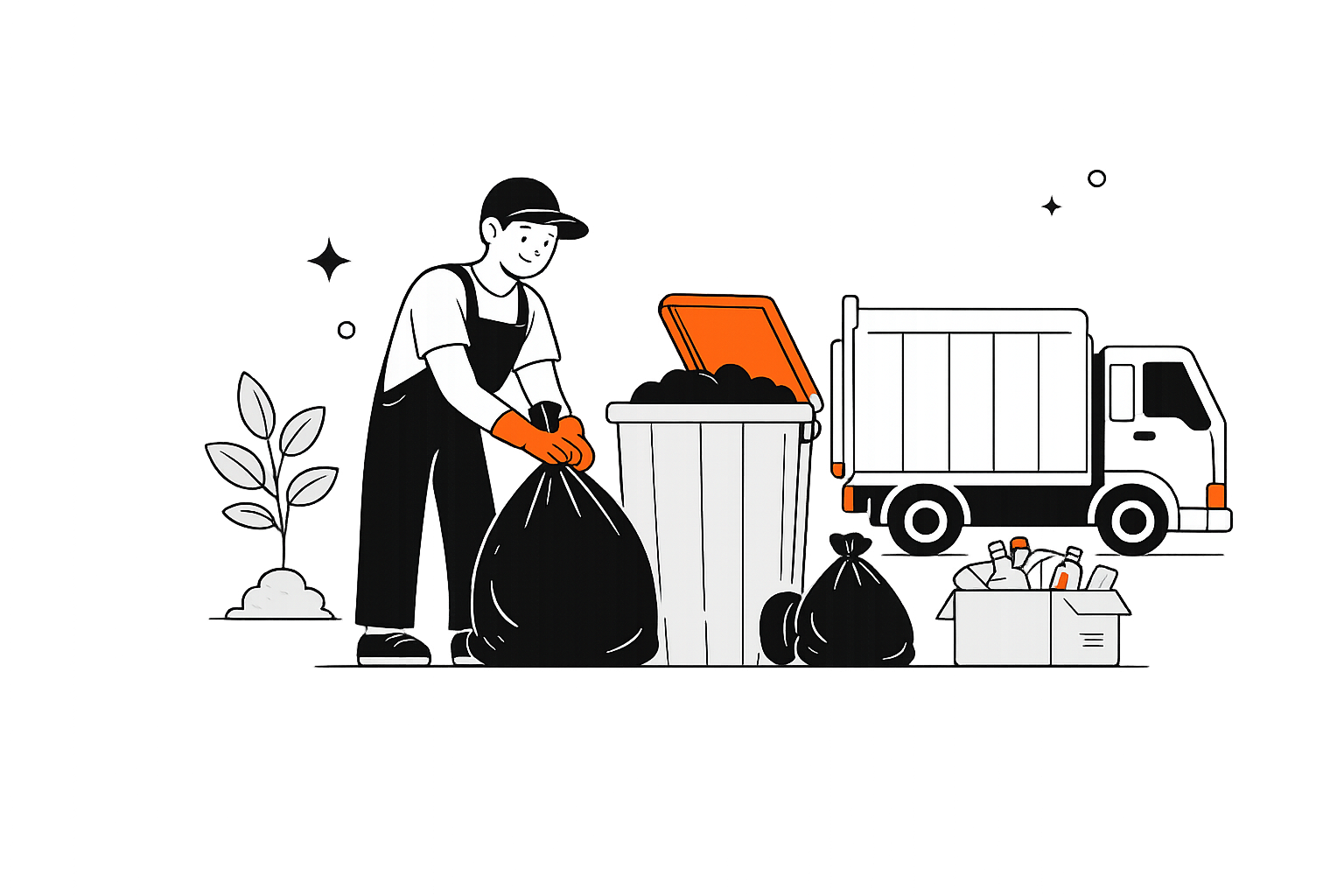
Unwanted waste and clutter are efficiently cleared, restoring order and simplicity.
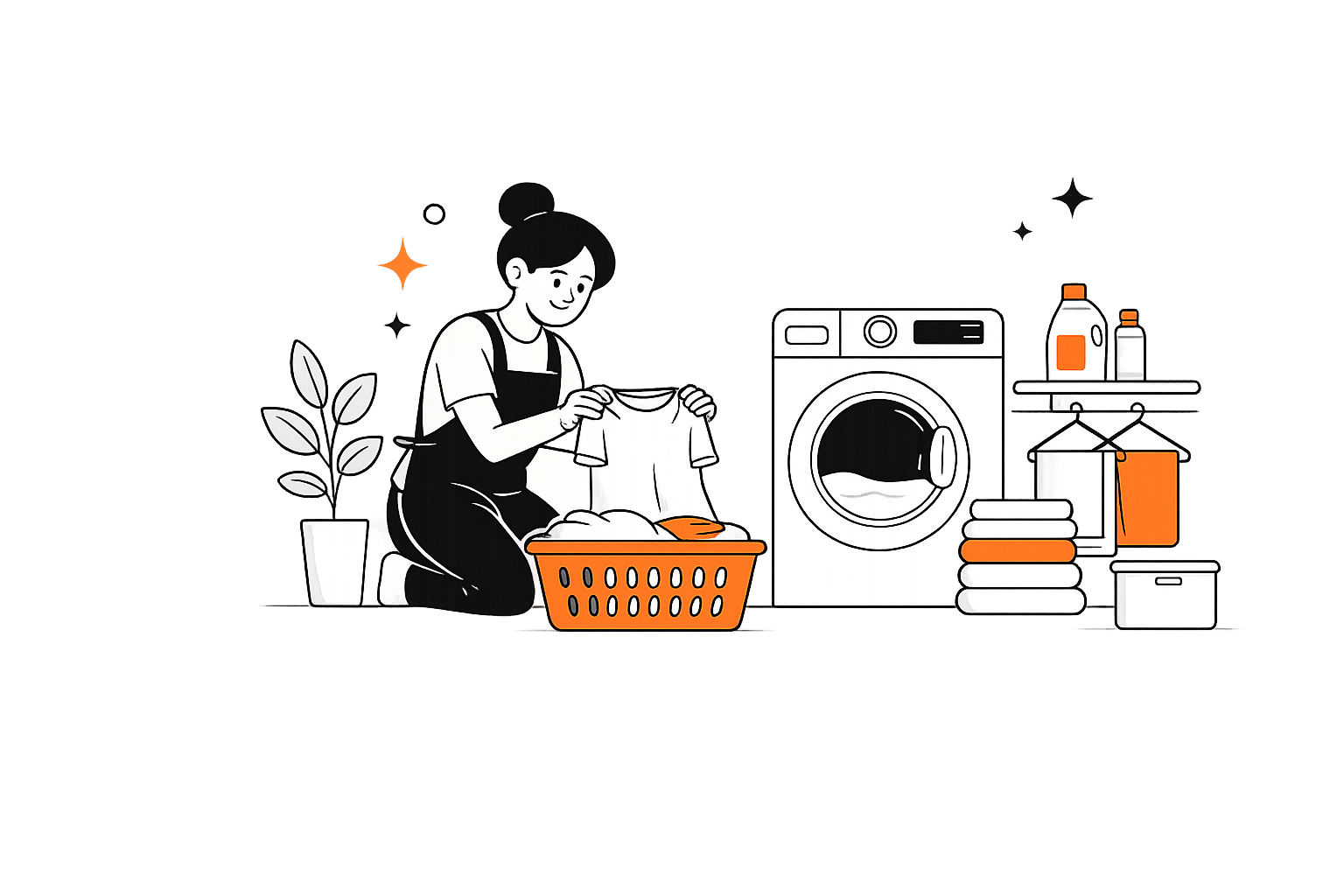
From laundry to daily-use items, we bring freshness back into your routine.
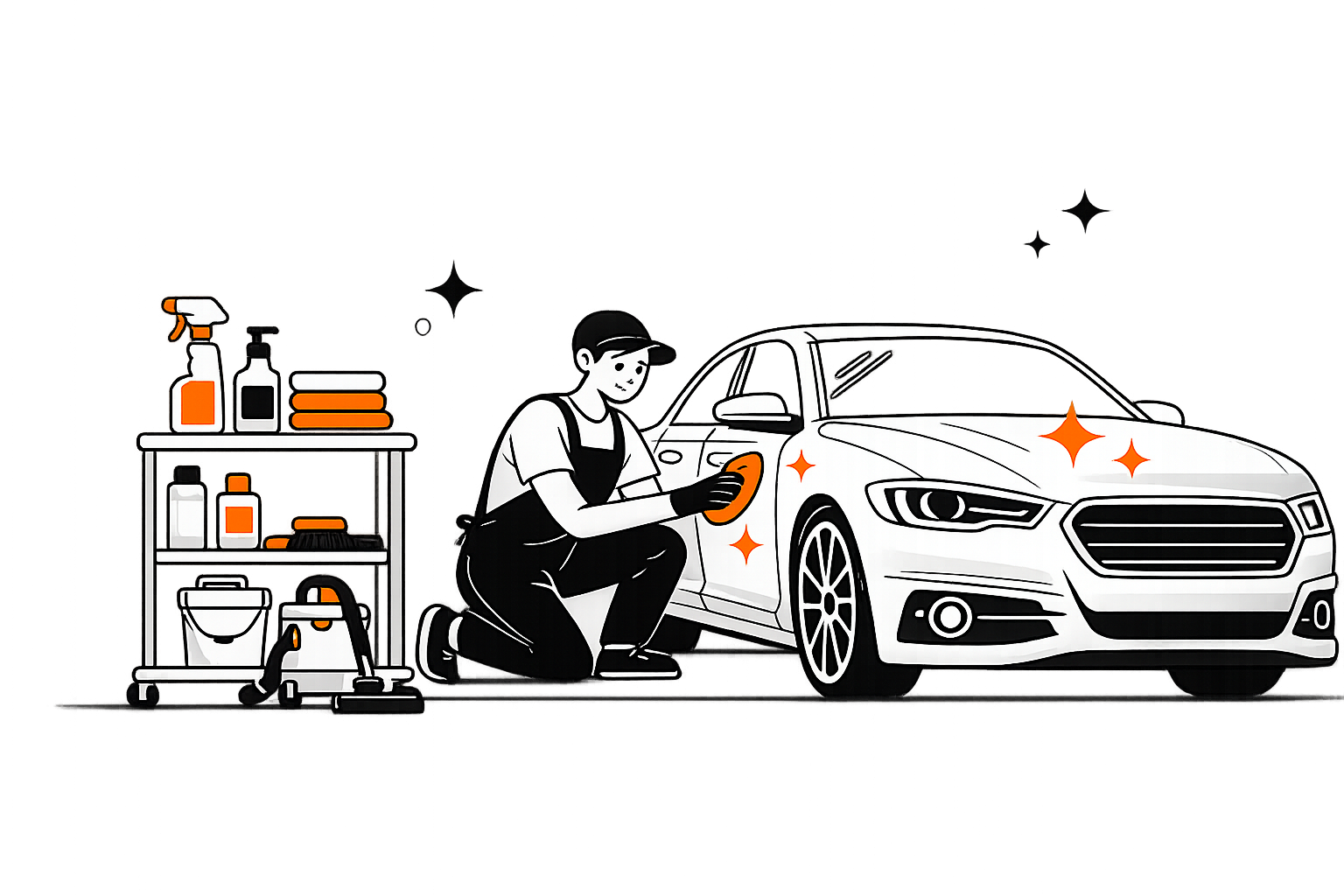
From interiors to vehicles, we finish with precision—leaving everything looking brand new.